Google Ads for Doctors: Increase Your Online Visibility
How to set up Google Ads for a medical practice in Colombia: by subspecialty and city, what Google does not allow in healthcare, what the law says, how much to start with and what to measure.

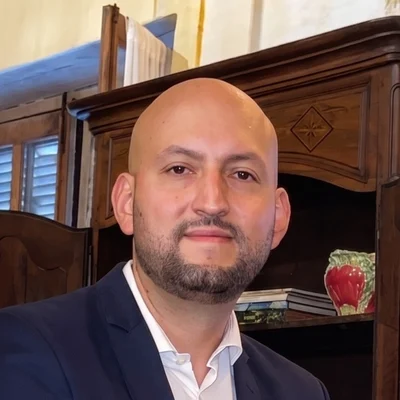
AI, digital marketing and medical marketing consultant · btodigital
Google Ads is the channel that fills a specialist’s calendar fastest in Colombia, because a patient searching “knee orthopedist in Medellín” has already decided they need an appointment. It works when the campaign is organized by subspecialty and city, sends people to a page that answers exactly what they searched for, and someone replies on WhatsApp within minutes. If any of those three fails, you pay for clicks that never become consultations.
I’m Carlos Betancur Gálvez, a medical marketing consultant and author of El Arte de Tener Pacientes (in Spanish). This is what I apply when building campaigns for specialists.
Why does Google Ads work so well in healthcare?
Because a medical search declares its intent. On social media you talk to someone who wasn’t thinking about their knee; on Google, the person typed their problem and their city. That changes everything:
- The ad shows up at the moment of decision, not before.
- You pay per click, not per view.
- You can limit it to your city and your hours so you don’t pay for searches you can’t serve.
How should a campaign for a practice be structured?
| Decision | How to do it | Common mistake |
|---|---|---|
| Keywords | By subspecialty and symptom: “hand surgeon Medellín”, “knee pain climbing stairs” | Bidding on “doctor” or the generic specialty name |
| Location | Your city and the area patients actually come from | The whole country “just in case” |
| Negative keywords | Exclude insurance plans, “emergency”, “free”, “jobs”, “course” and anything you don’t treat | Adding none and paying for job seekers’ clicks |
| Landing page | One page per subspecialty, with price, location and a WhatsApp button | Sending everything to the home page |
| Schedule | Concentrate budget when someone can reply | Ads running at 2 a.m. with no automatic reply |
What doesn’t Google allow in healthcare ads?
Google has its own healthcare policies on top of Colombian law. The ones that affect a practice most:
- You can’t build remarketing audiences based on health conditions. Google’s personalized advertising policy treats health as a sensitive category: you can’t follow someone with ads because they visited your “depression treatment” page.
- Some treatments and medicines require certification or can’t be advertised at all.
- Ad copy can’t promise results or make misleading claims.
When a campaign shows as “limited” or “disapproved”, it is almost always one of these reasons, not a technical error.
What does the law say in Colombia?
Three limits that apply on every channel:
- No promises of results or cures. An ad that guarantees outcomes is an ethical and legal problem.
- No before-and-after photos or identifiable cases in ads or landing pages.
- Law 1581 classifies health data as sensitive. If your form or WhatsApp receives symptoms, you need prior, express and informed authorization to keep them. I cover it in the Law 1581 guide for marketing.
How much should you invest to start?
It depends on the specialty and the city: a cosmetic surgery click in Bogotá doesn’t cost the same as a pediatrics click in a mid-sized city. The sensible move is a four-to-six-week test budget, then deciding with data.
The figure that matters isn’t cost per click but cost per attended appointment. A campaign with cheap clicks that don’t book is expensive.
Before setting a budget, it helps to know where your consultation fee sits in the market. I measured 771 specialists in Bogotá and Medellín in the private consultation price study.
What should you measure?
| Metric | Why it matters |
|---|---|
| Time to first reply | It weighs the most between the click and the appointment |
| Contacts that become appointments | Separates useful traffic from the curious |
| Appointments actually attended | No-shows cost money too |
| Cost per attended appointment | The number that decides the budget |
If conversions arrive through WhatsApp, the button click has to be tracked as a conversion. Without it, Google optimizes blind.
Google Ads or organic search?
Both, with different jobs. Google Ads brings appointments this week and stops when you stop paying. Organic positioning takes four to eight months and then brings patients without paying per click. For a specialist starting out, the usual path is to begin with Google Ads while content matures. The full plan is in the medical marketing guide and in how to get appointments for a medical practice.
Frequently asked questions
Does Google Ads work for doctors in Colombia? Yes, it’s the channel that fills a calendar fastest because it appears when the patient searches their problem and their city. It works if the campaign is organized by subspecialty, the page answers the search and someone replies quickly.
Can I do remarketing to patients with Google Ads? Not based on health conditions: Google’s personalized advertising policy treats health as a sensitive category. You can advertise to people actively searching for your specialty.
Can I use before-and-after photos in my ads? No. They are restricted by regulation and by the platforms, as are promises of results and identifiable cases.
How much does Google Ads cost for a medical practice? It depends on the specialty and the city. Start with a four-to-six-week test and decide by cost per attended appointment, not cost per click.
Who should manage the campaigns? Someone who understands both Google Ads and healthcare restrictions. If you want us to review yours, you can message me or see btodigital’s medical marketing service.