Executives and boards · Artificial Intelligence · Medellín, Colombia

Artificial Intelligence for Executives and Boards.

Executive sessions, workshops and ongoing support for executive teams, management committees and boards that have to make decisions about artificial intelligence: where to invest, which risks to accept and how to measure the result.
I'm Carlos Betancur Gálvez, founder of btodigital and a professor at UPB and Universidad EIA. No jargon, and no starting from a tool.
5.0 on Google · 141 reviews
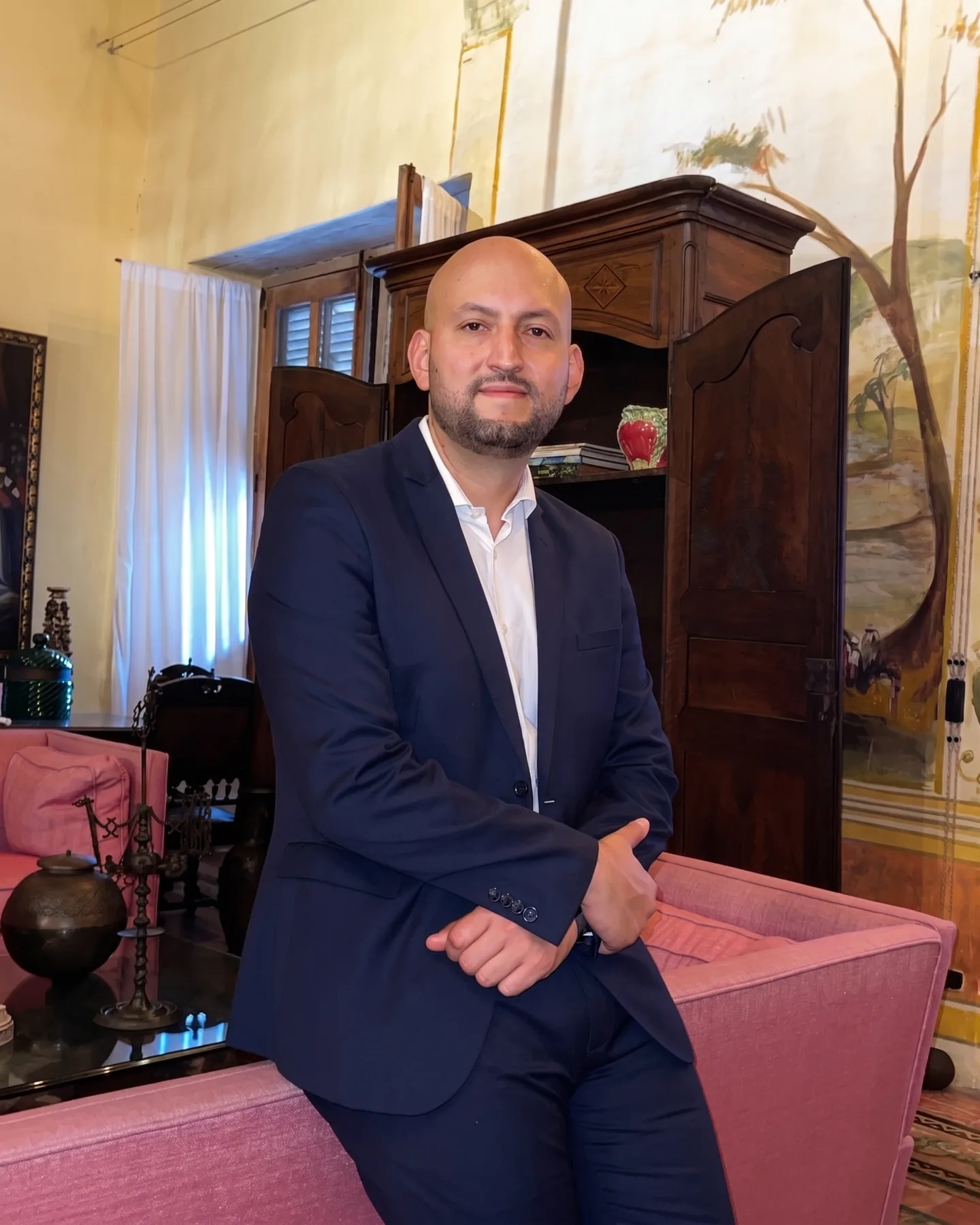
Carlos Betancur Gálvez, artificial intelligence for executives and boards of directors
20+years of experience
500+companies advised
12years of university teaching
In short

Artificial intelligence advisory and training for executives and boards of directors

Carlos Betancur Gálvez advises and trains executive teams, management committees and boards of directors in artificial intelligence from Medellín, Colombia. He works with the people who decide, not the people who code: which processes to prioritize, how much to invest, which risks to accept, which data is used, who is accountable and how the result is measured. He does it in three formats: an executive session for the board or committee, a workshop with the management committee, and ongoing support for senior management. He works with companies in Colombia, Ecuador, Peru and Central America, in person and online. He is the founder and CEO of btodigital, where he and his team build artificial intelligence systems and put them into production, so the examples come from real projects, not slides. He brings more than 20 years of experience, more than 500 companies advised and 12 years of university teaching at Universidad Pontificia Bolivariana and Universidad EIA. Every session is tailored to the company and quoted after a first conversation.

The decisions

What should a board of directors decide about artificial intelligence today?

A board does not need to learn how to use the tools. It needs the judgment to approve, postpone or turn down. These are the six decisions that belong to it, as business criteria.

01

Priorities

Which two or three processes come first and which ones wait.

02

Investment

How much to commit to a first scoped test, before a larger budget is approved.

03

Risk

What happens when the system gets it wrong, who notices, and what the mistake costs.

04

Data

Which company and customer information goes into these tools, who can see it and where it ends up.

05

Ownership

Who answers for each initiative, by name, and what they report to the board.

06

How to measure

Which business number should move and by when, written down before starting.

Formats

Board session, management workshop or ongoing support

Three ways of working with senior leadership.

Board or committee

Executive session for the board or committee

For boards and management committees deciding whether artificial intelligence is a priority. It leaves a shared vocabulary, the judgment to turn down bad proposals and a prioritized list of fronts.

Management committee

Workshop with the management committee

For executives who want to leave with a plan. It combines the executive session with a prioritization workshop and ends with a map of the company's use cases.

Monthly or per session

Ongoing support for senior management

For management teams that have already decided to move and want a second opinion while they execute: vendor proposals, metrics, costs and priorities.

In person or live online. If what you need is for a team to learn to use Claude in its daily work, that is a different service: Claude training for companies →

Not sure which format fits your board or committee?Tell me who attends and what they have to decide, and I will suggest the format.

Talk about a session
Topics

Which artificial intelligence topics do we cover with executives?

They come from the keynotes I already give and from the process I use to take projects to production.

What to decide first

"AI for leaders: what to decide this week so you don't fall behind in 2026".

Why projects never reach production

"Why most AI projects never reach production (and how to be among the ones that do)".

AI agents

"From chatbots to digital employees": the leap from AI that answers to AI that executes.

AI and the team

"AI won't take your job… someone who knows how to use it will".

From assessment to production

The four phases of a project: assessment, proof of concept, implementation and continuous improvement.

AI governance

Who approves each use, with which data, who is accountable and how often it is reviewed. It can end in an internal AI use policy.

The examples come from what we build with the btodigital team. The public case, Quirurgil, is on the artificial intelligence consultant page.

Who it's for

Who is artificial intelligence training for executives meant for?

For the people who approve the budget and answer for the result, not for the people who will operate the tool.

Boards of directors

They need the judgment to question management and decide on investment and risk.

CEOs and management committees

They set priorities across areas, assign owners and define how results are measured.

Heads of area

They receive vendor proposals and need the judgment to assess them.

Mid-sized companies without an AI team

They have no technical area of their own and the decision falls on management.

Where

AI for executives in Colombia, Ecuador, Peru and Central America

Carlos Betancur Gálvez offers artificial intelligence sessions and workshops for executives and boards of directors from Medellín, Colombia, for companies in Colombia, Ecuador, Peru and Central America: Costa Rica, Guatemala, Honduras, El Salvador, Nicaragua and Panama. They are held in person or live online, in Spanish or English; in-person sessions outside Medellín are coordinated around the board's or committee's calendar and travel.

He has 12 years of university teaching at Universidad Pontificia Bolivariana and Universidad EIA. In 2026 he ran the workshop "Applying AI to strategic marketing" for the FUNDEPOS Costa Rica MBA, as part of its international immersion at UPB, in Medellín.

If you are looking for a talk for an open event, see the AI keynote speaker page →

Frequently asked questions

AI for executives and boards: what people ask most

What is an artificial intelligence session for a board of directors?

It is an executive session, free of technical jargon, in which the board reviews what artificial intelligence can do for the business and what it is the board’s job to decide: priorities, investment, risk, data, ownership and how to measure. It is not a tools course and requires no technical background.

What is AI governance in a company?

It is how the company decides who approves each use of artificial intelligence, which data is used, who answers for the result and how often it is reviewed. Here it is treated as a business criterion for management and the board, not as legal advice.

Are the sessions for executives in person or virtual?

Both. In person in Medellín and in other cities in Colombia, Ecuador, Peru and Central America depending on the schedule, and live online.

How is this different from consulting and from Claude training?

This page is for the people who decide: executive teams, management committees and boards. Artificial intelligence consulting takes a project from assessment to production. Claude training is for a team learning to use that tool in its daily work. Artificial intelligence consultant → Claude training for companies →

What does the company keep after a session with executives?

A shared vocabulary, the judgment to turn down bad proposals and a prioritized list of fronts. When the session includes a workshop, there is also a map of use cases.

How much does an artificial intelligence session for executives cost?

It depends on the format, the number of people and whether it includes follow-up support. It is quoted after a short conversation to understand the company and what it needs to decide.

Does your board or committee have to decide about artificial intelligence?

Three paths depending on what you need. I answer personally.