E-commerce trust: why people visit and do not buy
The signals that make a Colombian shopper trust an online store, what to check before spending on ads, and the role of cash on delivery.

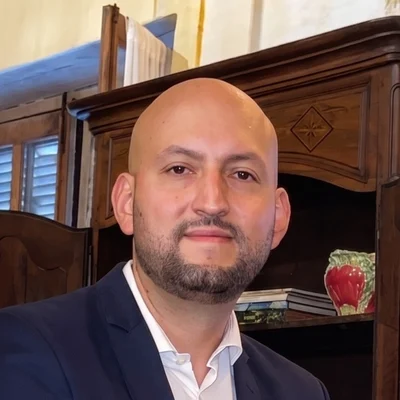
AI, digital marketing and medical marketing consultant · btodigital
In Colombia, most online shops do not lose sales on price: they lose them because the buyer is not sure the product will actually arrive. It is a market with a memory of scams, and that distrust is paid for in every abandoned cart.
The good news is that trust signals are cheap to add and almost none of them require a redesign.
What does a Colombian buyer check before paying?
In this order, often without realising:
- Does this company exist? Physical address, a phone that answers, a real name.
- Has anyone else bought here? Reviews, comments, people tagging you.
- What happens if it does not arrive or does not fit? A visible returns policy.
- Is it safe to pay? Padlock, a recognised gateway, familiar methods.
- When does it arrive and what does shipping cost? Before the last step, not after.
If one of the five is unresolved, there is leakage. And the first is the one that weighs most here.
Which trust signals actually work?
| Signal | Impact | Effort |
|---|---|---|
| Visible phone and WhatsApp that get answered | High | Low |
| A real physical address | High | Low |
| Reviews with a name and a face | High | Medium |
| Clear returns policy, placed high | High | Low |
| Shipping cost and time before checkout | High | Medium |
| Payment methods visible from the product page | Medium high | Low |
| Your own photos, not catalogue stock | Medium high | Medium |
| Cash on delivery available | Very high in some categories | Operational |
| Generic “secure site” badges | Low | Low |
That last row surprises people: purchased “100% secure purchase” badges communicate almost nothing now, because anyone can add them. What communicates is a phone somebody answers.
Why does cash on delivery change things so much?
Because it transfers the risk. A buyer who does not know you is not risking their money: they pay when the product is in their hands.
It carries a real operational cost, with returns and refused orders, and even so in several categories it is what unlocks the first purchase. The strategy I recommend: offer it at the start to build a review history, and reduce it as the brand becomes known.
What kills trust without you noticing?
- A contact form nobody answers. Worse than not having one.
- Prices that change between the catalogue and the cart.
- Shipping appearing only at the final step. The leading cause of abandonment.
- Stock photos on products that should be yours.
- Abandoned social profiles. A profile whose last post is a year old says “this no longer operates”.
- Obviously fake reviews. Five identical five-star reviews with no detail do more damage than having none.
That last point matters: a four-star review with a specific criticism generates more trust than twenty five-star ones saying nothing.
And the legal side?
In Colombia, the Consumer Statute grants a right of withdrawal on distance sales within five working days of delivery, under the conditions the law sets out. Having it written and visible is not just an obligation: it is a strong trust signal, because it says you know the rules.
Add the data processing policy required by Law 1581 and you have covered what an informed buyer will look for.
Frequently asked questions
How do I build trust in my online shop? With a real, visible phone and address, verifiable reviews, a clear returns policy, shipping cost shown before payment, and methods the buyer recognises. All of that is worth more than any “secure site” badge.
Do trust badges work? Barely. The generic ones anyone can add no longer communicate anything. Verifiable signals weigh far more, starting with a phone somebody answers.
Should I offer cash on delivery? In several categories it is what unlocks a first purchase from someone who does not know you. It has operational cost, so use it to build reputation and reduce it afterwards.
How many reviews do I need? Enough that the site does not look brand new, and they must be credible. A few detailed ones with some criticism are worth more than dozens of identical five-star ones.
Why do people abandon the cart? The most frequent cause in Colombia is shipping cost appearing at the end. Then: forced account creation, insufficient payment methods, and doubt about whether the product will arrive.
What legal obligations does an online shop have in Colombia? To clearly state price, conditions and timeframes, to honour the right of withdrawal under the Consumer Statute on distance sales, and to comply with Law 1581 with a data processing policy.
Is it worth showing a physical address if I only sell online? Yes. It is one of the highest-weight signals here. If you do not want to publish a home address, a city plus a phone that answers already helps a great deal.