Medical marketing for psychiatrists: what changes in this specialty
Why patient acquisition works differently in psychiatry, what content builds trust without breaching confidentiality, and what advertising law allows in mental health.

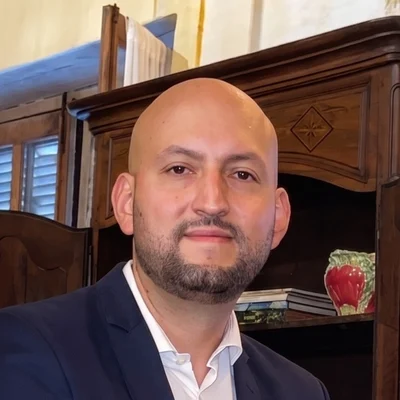
AI, digital marketing and medical marketing consultant · btodigital
In psychiatry the main brake is not price: it is stigma. The patient takes months to decide, searches privately, and chooses on trust rather than convenience. That completely changes how acquisition works.
It is the specialty where I most often see strategies copied from other branches that simply do not work.
What changes compared with other specialties?
| Other specialties | Psychiatry | |
|---|---|---|
| What holds the patient back | Price and availability | Stigma and fear of judgement |
| How they search | Openly | Privately, almost always alone |
| What decides | Proximity and reputation | Trust in the person |
| Who books | The patient | Often a family member |
| Decision time | Days | Weeks or months |
| Virtual consultation | A complement | The main channel for many |
The virtual consultation row is decisive: for a good number of patients, being able to consult without walking into a clinic is what makes the first appointment possible at all.
What content builds trust here?
Not content that demonstrates technical knowledge. Content that lowers fear.
What works:
- Exactly what happens in a first consultation. How long, what gets asked, whether medication starts the same day. It reduces anticipatory anxiety, which is real.
- When to consult and when it is not necessary. It builds credibility precisely because it sometimes says no.
- Dismantling specific beliefs about medication, dependence or hospitalisation.
- Talking about cost clearly. Someone hesitant to consult will not phone to ask the price.
What does not work: awareness-day posts, motivational wellbeing phrases, and any content that treats the patient as fragile.
What does the law allow?
Mental health advertising carries the same limits as the rest of healthcare, plus an obvious additional caution:
- No promising results or cure.
- No patient testimonials as a promise of results. In psychiatry, exposing an identifiable patient is a serious problem even with authorisation.
- Strict confidentiality. No recognisable cases, not even anonymised ones if the context allows identification.
- Law 1581: health data is sensitive data and requires prior, express authorisation with reinforced safeguards.
Add that Meta and Google heavily restrict mental health categories in advertising, and that targeting by mental-health-related interest is limited or prohibited depending on the platform. You cannot target “interested in depression”, and it is right that you cannot.
How should a first enquiry on WhatsApp be handled?
With more care than in any other specialty:
- Reply quickly and in plain language, no jargon and no brochure phrases.
- Do not ask for the reason for consultation in writing. It is sensitive information and the person may back away.
- Know the price and the duration so you can answer immediately.
- Offer the virtual option from the first message. For many it is what unblocks the decision.
- If a family member writes, treat it with the same discretion.
And something operational: whoever answers must know that sometimes a person in crisis writes. There has to be a clear instruction on what to say and where to refer. That cannot be improvised.
What do you measure?
The same as other specialties, with one important difference: the gap between first contact and appointment is longer. If you measure the month’s conversions you will conclude nothing works.
Measure in 60 to 90 day windows, and look above all at how many enquiries end in an attended appointment, not how many messages arrived.
Frequently asked questions
How does a psychiatrist attract patients in Colombia? Through trust, not convenience. What works is a Google profile with reviews, content that lowers fear of the first consultation, the virtual option, and discreet, fast handling of enquiries.
Can I advertise mental health services on Meta or Google? With significant restrictions. You cannot target mental-health-related interests and ad content is reviewed under stricter criteria. Read each platform’s policies before investing.
Can I use patient testimonials? Strongly inadvisable in this specialty, even with written authorisation. Exposing an identifiable mental health patient carries consequences that no advertising benefit offsets.
Which content works best? Content explaining what happens in a first consultation, when to consult and when not to, and content dismantling specific beliefs about medication. Motivational phrases do not work.
Is virtual consultation useful? Very, and for a good number of patients it is what makes the first appointment possible, because it removes the step of walking into a clinic. Offer it from the first message.
How long does a patient take to decide? Weeks or months, considerably longer than in other specialties. That is why measuring only the month’s conversions leads to switching off campaigns that were working.
What if someone writes in crisis? There must be a written instruction for whoever handles enquiries: what to say, what not to ask, and which support line to refer to. It cannot be improvised in the moment.