AI Chatbot for Medical Offices
Discover how an AI Chatbot for medical offices optimizes appointments, reduces errors, and improves patient experience.

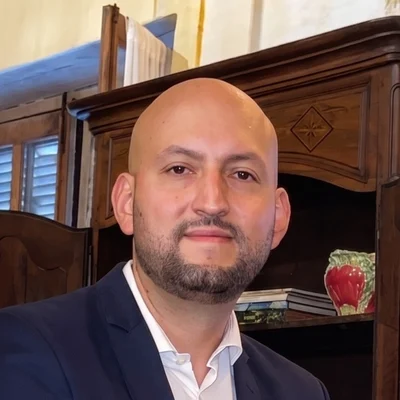
AI, digital marketing and medical marketing consultant · btodigital
In the era of digital transformation, having an AI Chatbot for medical offices has become one of the most effective solutions for organizing appointments, managing schedules, and providing personalized care to patients. In this article, we’ll explore how this technology is revolutionizing administration in the healthcare sector, medical marketing, and why your clinic or medical practice should consider it as an essential part of your growth strategy.
Want a chatbot like this for your practice? Let’s talk on WhatsApp →
What is an AI Chatbot for Medical Offices?
An AI Chatbot is an automated system that uses machine learning algorithms and natural language processing to interact with patients and healthcare staff. In the case of medical offices, its main function is to manage appointment schedules, answer frequently asked questions, and gather pre-consultation information.
This type of virtual assistant goes beyond sending simple reminders; it learns from each interaction to offer more personalized and effective solutions. For example, it can anticipate possible cancellations, adapt reminders according to patient availability, and optimize the workload of healthcare professionals.
Who Benefits from an AI Chatbot for Medical Offices?
-
Healthcare and administrative staff: Doctors, nurses, receptionists, and administrators are freed from repetitive tasks, allowing them to focus on activities of greater clinical and human value.
-
Patients: By facilitating interaction and appointment scheduling, patients receive faster and more accurate responses, improving their experience and satisfaction.
-
Clinic and hospital managers: Thanks to resource optimization and error reduction, medical center directors can dedicate more time and budget to continuous improvement of their services.
When Should You Integrate an AI Chatbot in Your Medical Office?
-
Initial or expansion stages: If your clinic is growing rapidly and you need a scalable solution to help you manage a higher volume of appointments, an AI chatbot is ideal for maintaining service quality. A very common use case is when you start running lead generation campaigns in Google Ads for doctors.
-
System updates: When updating your electronic health records system or any other management platform, taking advantage of the moment to integrate an AI chatbot can optimize workflow immediately.
-
During implementation of new specialties: If you plan to add new services or medical specialties, a chatbot will help you redirect patients appropriately, avoiding confusion and schedule overload.
Where is the AI Chatbot Used for Medical Offices?
-
On messaging platforms: Applications like WhatsApp or Facebook Messenger can easily host these systems, allowing patients to chat with the assistant 24 hours a day.
-
The clinic’s website: By integrating the chatbot on the official page, visitors can book or modify appointments without having to make a phone call or visit in person.
-
Mobile applications: Many current developments offer chatbots as part of medical apps, facilitating comprehensive health management (treatment reminders, virtual consultations, etc.).
Want a chatbot like this for your practice? Let’s talk on WhatsApp →
Why Implement an AI Chatbot in a Medical Office?
-
Time and resource optimization: By automating low-value tasks like appointment confirmation or basic data collection, healthcare staff can focus on direct patient care.
-
Error reduction: An intelligent system minimizes the risk of scheduling errors, such as duplicate appointments or confused times.
-
Predictive analysis: Using machine learning algorithms, the chatbot detects patterns and prevents cancellations or no-shows, proposing timely rescheduling.
-
Continuous care: It operates uninterrupted, which improves the relationship with the patient by offering immediate responses and solutions even outside business hours.
-
Better patient experience: By providing agile and personalized service, patient satisfaction and confidence in the medical center increases.
How to Implement an AI Chatbot for Medical Offices?
To implement an AI Chatbot for a medical office, you will definitely need technical support like the one we can provide at our company btodigital and El Mejor Doc. The steps we follow are:
-
Integration with existing systems: Connect the chatbot to the patient database and medical records management software (EMR) to keep information synchronized in real time.
-
Training and customization: Use historical data from appointments and patient behaviors to train the artificial intelligence algorithm. The greater the volume of data and variety of cases, the more accurate the chatbot will be.
-
Conversation flow configuration: Define protocols and interaction guidelines for the bot. For example, what questions should be asked before scheduling an appointment or what type of inquiries should be escalated to human staff.
-
Continuous monitoring and analysis: Monitor chatbot interactions, evaluate its accuracy rate, and adjust its programming according to the changing needs of the office.
-
Staff training: Train your team to understand how the chatbot works, how it integrates with systems, and when they should manually intervene in case of doubts or errors.
Atendio: The AI WhatsApp Assistant Platform We Built
After years building these assistants from scratch (including an AI-powered doctor finder that connects over 400 healthcare professionals) we took the next step: turning all that experience into a ready-to-use platform. It’s called Atendio, btodigital’s AI WhatsApp assistant product, designed for medical practices and clinics too.
Instead of developing a bot from zero, with Atendio your practice gets an assistant that books appointments, answers your patients’ frequent questions, and responds 24/7, in natural language and in your brand’s tone. What sets it apart:
- WhatsApp coexistence: keep your same number. The AI replies in parallel while your front desk keeps answering from the usual phone.
- Handoff with context: when a case needs a human, the assistant escalates the conversation with the full history; the patient never has to repeat anything.
- Real Spanish and Latin America: a warm, human tone, not robotic translations.
- Reactivation and follow-up: it picks up conversations that stalled, so you don’t lose patients.
In short, it’s the productized version of everything I describe in this article.
Keep your number, respond 24/7, and hand off to your team when needed. Start free in minutes.
Beyond Appointments: The Future of Virtual Assistants in Medicine
AI chatbots are not limited to managing schedules. Trends point toward broader automation that includes:
-
Telemedicine: Conducting virtual consultations with AI support that can share relevant information with the doctor before the appointment.
-
Preventive care: Sending reminders for periodic exams or vaccinations based on the patient’s age and medical history.
-
Total interoperability: Connecting with laboratories, pharmacies, and other medical services to offer a comprehensive care experience.
Conclusion
Implementing an AI Chatbot for medical offices is not just a technological trend, but a real necessity to optimize appointment management, improve patient experience, and free healthcare staff from administrative tasks.
Thanks to artificial intelligence, it’s now possible to offer an efficient, accurate, and personalized service that satisfies both doctors and patients, driving the healthcare sector toward sustainable digital transformation centered on people’s wellbeing.
If you want to have an AI chatbot in your office, don’t hesitate to write to me.
To complement your chatbot strategy, you may want to read about how to get more appointments for your medical office using a full digital approach, or discover how 10 proven marketing strategies for doctors can help you attract more patients. You can also learn why managing your online reputation is essential to building trust before patients even reach your chatbot.